How to Build a High-Converting Digital Marketing Campaign in 2026
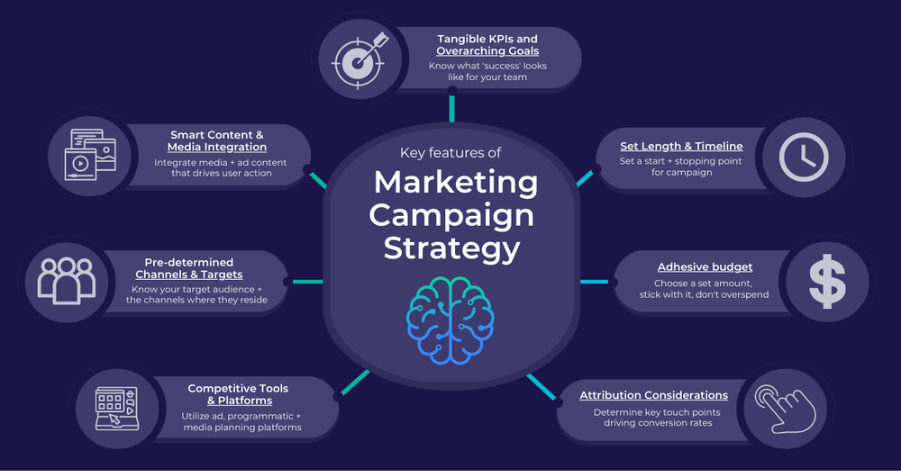
Digital marketing in 2026 has evolved into a highly competitive, data-driven, and AI-assisted ecosystem. Businesses are no longer competing solely on budget or reach they are competing on relevance, timing, personalization, and customer experience. For small and mid-sized businesses (SMBs) and marketing managers, building a high-converting digital marketing campaign now requires a structured framework that aligns strategy, execution, technology, and performance measurement.
This guide explains how to build a digital marketing campaign in 2026, focusing on digital marketing services company planning, funnel stages, channel mix, and campaign KPIs that drive real business outcomes not vanity metrics.
Understanding What “High-Converting” Means in 2026
A high-converting campaign in 2026 is not defined by clicks or impressions alone. It is defined by how efficiently a campaign turns attention into action and action into revenue. With rising acquisition costs and increasing privacy regulations, conversion optimization is no longer optional it is essential.
Modern high-converting campaigns:
- Deliver the right message at the right stage of the funnel
- Use data and AI to personalize experiences
- Integrate paid, owned, and earned channels
- Optimize continuously based on performance signals
- Focus on long-term value, not just short-term wins
Understanding this shift is the foundation of effective campaign planning.
Step 1: Start With Clear, Revenue-Aligned Campaign Goals
Every successful digital marketing campaign begins with clearly defined objectives. In 2026, goals must be directly tied to business outcomes, not just marketing activity.
Examples of strong campaign goals include:
- Increasing qualified leads by a specific percentage
- Lowering cost per acquisition (CPA)
- Improving conversion rates across funnel stages
- Driving repeat purchases or subscriptions
- Increasing customer lifetime value (LTV)
Goals should be measurable and time-bound. Instead of saying “we want more leads,” define how many leads, at what cost, and within what timeframe. Clear goals guide every decision from channel selection to creative messaging and KPI tracking.
Step 2: Build a Customer-Centric Campaign Strategy
Campaigns fail when they are built around products instead of people. In 2026, customer-centric marketing is non-negotiable. Your strategy must be grounded in a deep understanding of your audience’s needs, behaviours, and decision-making process.
Key factors to define:
- Who your ideal customer is
- What problem they are trying to solve
- What objections prevent them from converting
- Where they spend time online
- What content builds trust at each stage
With reduced reliance on third-party cookies, first-party data from CRMs, email platforms, website behaviour, and search engine optimization services has become the most valuable asset for accurate audience targeting and segmentation.
Step 3: Use a Funnel-Based Digital Campaign Framework
A high-converting digital marketing campaign in 2026 is designed around funnel stages, not isolated tactics. Each stage has a specific role in guiding users toward conversion.
Awareness Stage
This is where potential customers first encounter your brand. The goal is visibility and relevance, not immediate sales.
Common channels:
- Paid social media
- Display advertising
- Short-form video
- SEO content
Primary metrics:
- Reach
- Impressions
- Engagement rate
- Video completion rate
Consideration Stage
At this stage, users are evaluating options. Your campaign must educate, differentiate, and build trust.
Common channels:
- Retargeting ads
- Email marketing
- In-depth blog posts
- Case studies and testimonials
Primary metrics:
- Click-through rate (CTR)
- Time on site
- Lead conversion rate
Conversion Stage
This is where users take action purchasing, booking, or submitting a form.
Common channels:
- Search ads
- Optimized landing pages
- Email offers
- Dynamic remarketing
Primary metrics:
- Conversion rate
- Cost per acquisition (CPA)
- Return on ad spend (ROAS)
A structured funnel ensures no stage is neglected.
Step 4: Choose the Right Channel Mix for 2026
One of the biggest mistakes businesses make is spreading budgets across too many platforms without a clear strategy. A high-converting campaign uses a focused channel mix based on audience behavior and intent.
High-impact channels in 2026 include:
- Google Search for high-intent users
- Meta and TikTok for scalable awareness and engagement
- LinkedIn for B2B and professional services
- Email marketing for nurturing and retention
- SEO for sustainable, long-term growth
The key is integration. Campaigns perform best when insights from one channel improve performance in another.
Step 5: Create Assets That Are Built to Convert
In 2026, attention is scarce. Your campaign assets ads, landing pages, and content must be clear, fast, and persuasive.
High-converting assets typically include:
- A strong value proposition
- Messaging focused on customer pain points
- Simple, distraction-free design
- Clear and compelling calls-to-action
- Trust signals such as reviews and certifications
Landing pages should align perfectly with ad messaging and be optimized for mobile speed and usability.
Step 6: Define and Track the Right Campaign KPIs
Without proper measurement, even the best campaigns fail to scale. Campaign KPIs should align with goals and funnel stages.
Core campaign KPIs in 2026:
- Cost per click (CPC)
- Click-through rate (CTR)
- Conversion rate
- Cost per lead (CPL)
- Cost per acquisition (CPA)
- Return on ad spend (ROAS)
- Customer lifetime value (LTV)
Advanced tracking often includes CRM integration, GA4, conversion APIs, and attribution modeling to measure true campaign impact.
Step 7: Optimize Continuously Using Data and AI
High-converting campaigns are never static. Continuous testing and optimization are essential in 2026’s fast-moving digital environment.
Optimization strategies include:
- A/B testing ad creatives and messaging
- Refining audience segments
- Improving landing page UX
- Adjusting budget allocation based on performance
- Refreshing creatives to prevent fatigue
AI tools help identify patterns and automate decisions, but strategic oversight remains critical.
Step 8: Scale Campaigns Strategically, Not Emotionally
Once a campaign proves profitable, scaling should be methodical. Scaling too fast often leads to rising costs and declining performance.
Smart scaling focuses on:
- Gradual budget increases
- Expanding to lookalike audiences
- Testing new channels with proven creatives
- Prioritizing high-value conversions
- Monitoring long-term profitability
Sustainable growth comes from disciplined scaling, not aggressive spending.
FAQs: Digital Marketing Campaigns in 2026
1. What is the biggest change in digital marketing campaigns in 2026?
The shift toward first-party data, AI-assisted optimization, and privacy-focused tracking is the biggest change impacting campaign strategy.
2. How long should a digital marketing campaign run?
Most campaigns need at least 60–90 days to gather meaningful data and optimize performance, especially for paid media.
3. Are paid ads still effective in 2026?
Yes, but only when paired with strong targeting, high-quality creatives, and optimized landing pages.
4. How important is funnel strategy in campaign planning?
Funnel strategy is critical. Campaigns that ignore funnel stages typically struggle with low conversion rates and high costs.
5. Can SMBs compete with larger brands in digital campaigns?
Absolutely. SMBs can outperform larger brands by being more focused, agile, and customer-centric.
Conclusion: Building Sustainable, High-Converting Campaigns in 2026
Building a high-converting digital marketing campaign in 2026 is no longer about chasing trends or relying on a single channel to drive results. It is about creating a connected, strategic system where campaign planning, funnel design, channel selection, creative execution, and performance measurement all work together toward a single goal: sustainable growth. Businesses that succeed are those that understand their audience deeply, define clear objectives, use data intelligently, and continuously refine their approach based on real performance signals, Contact us.
For SMBs and marketing managers, the opportunity in 2026 is significant. While competition is higher and platforms are more complex, the tools available today AI optimization, CRM-based tracking, automation, and advanced analytics allow even smaller teams to build campaigns that rival enterprise-level performance. The key lies in discipline: resisting shortcuts, avoiding vanity metrics, and focusing relentlessly on conversion quality rather than volume. When campaigns are built with intention, optimized with insight, and scaled with patience, they become powerful growth engines that deliver consistent, measurable returns over time.
By following this step-by-step framework, businesses can move beyond guesswork and build digital marketing campaigns that not only perform in 2026 but continue to evolve, adapt, and convert well into the future.
Related Posts